My parents came to America with a belief that hard work could turn opportunity into a better life.
It’s a story shared by generations of families who came to this country hoping that if they worked hard, saved what they could, and gave their children a good education, the next generation could have a better life.
That belief didn’t just shape our family. It shaped my sense of purpose.
Public service became my way of giving something back—and helping make sure that same opportunity is there for the next family.
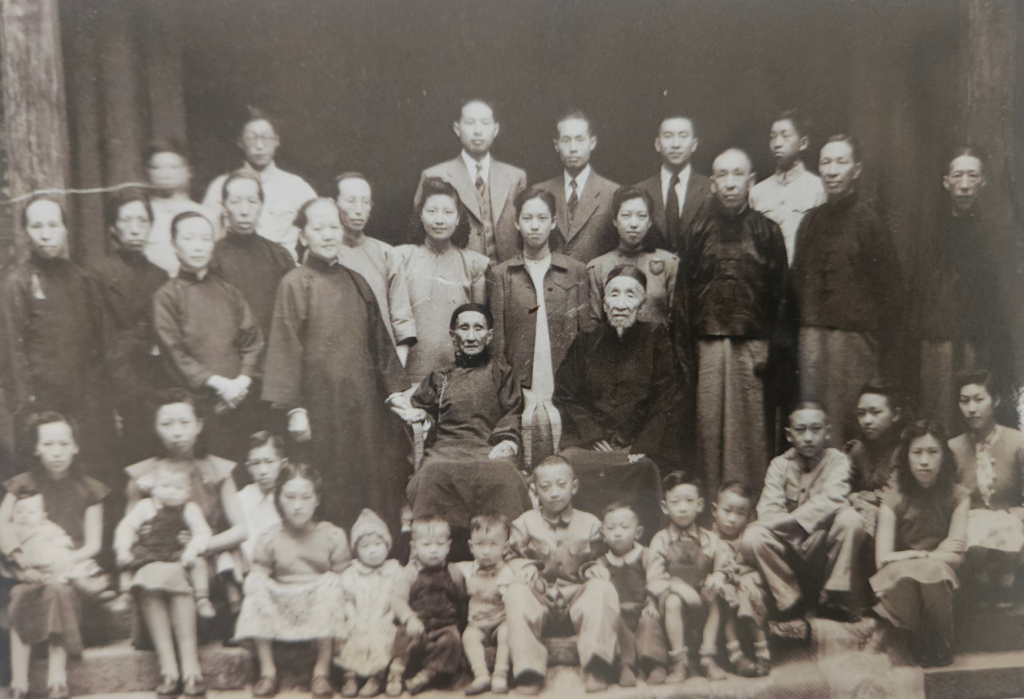
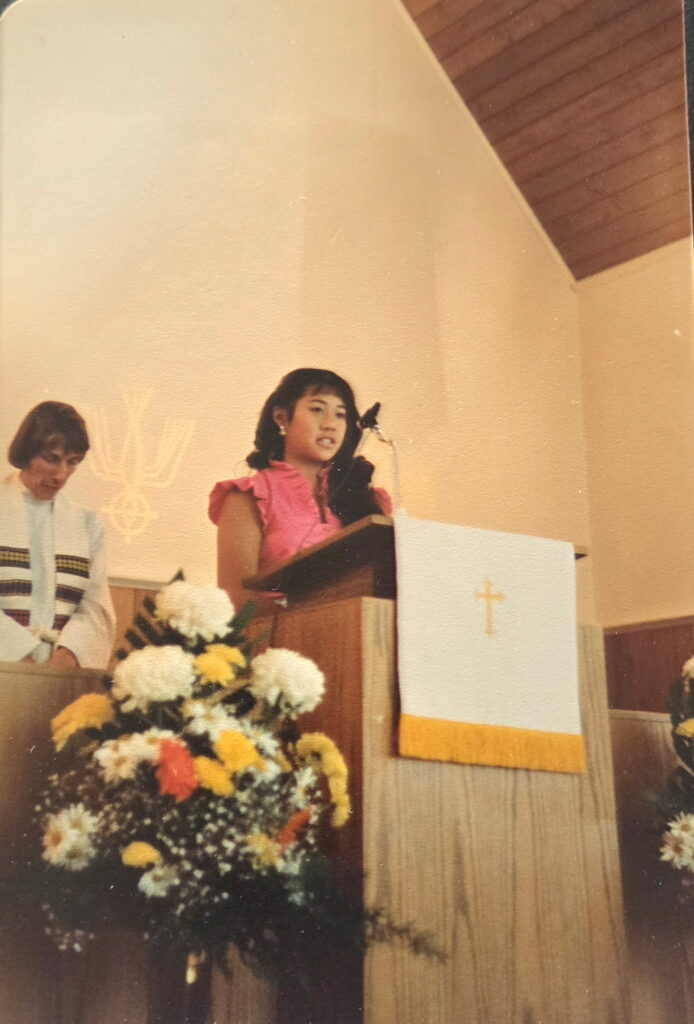
My family’s story is deeply rooted in the fight for freedom. My maternal grandfather became a Presbyterian after being introduced to Christianity by missionaries in China. My paternal grandfather served as a general in the Kuomintang, fighting against the Chinese Communists before he was later ousted.
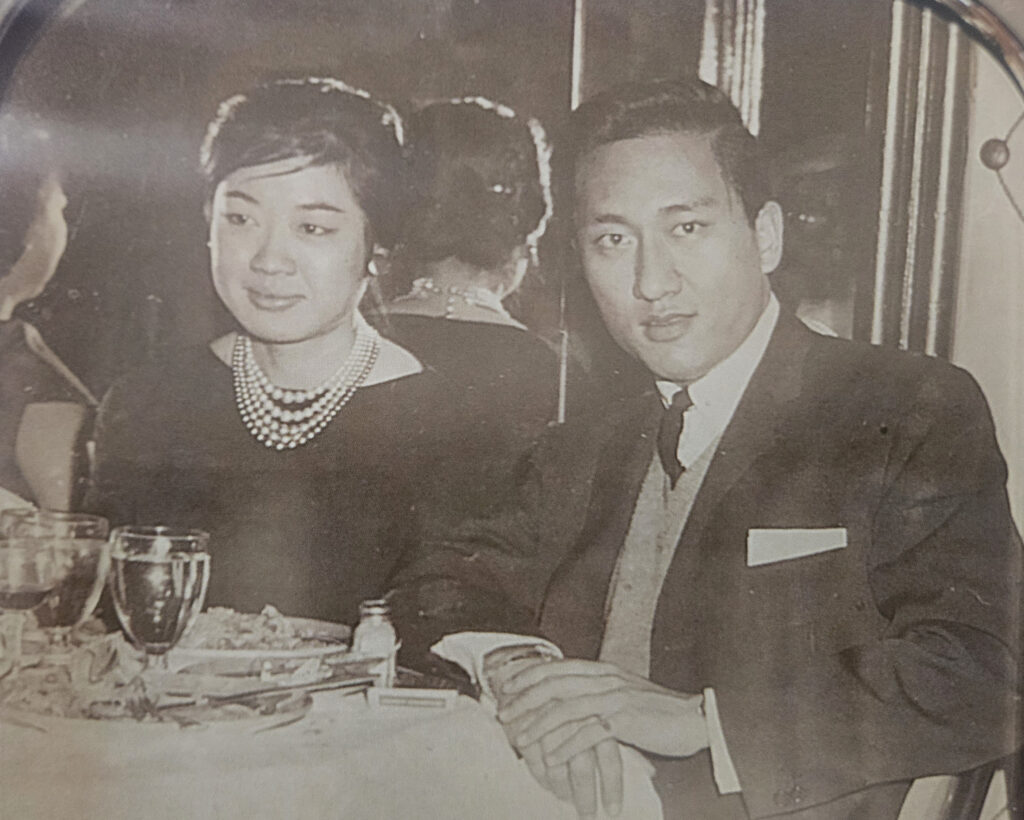
My father left China at 13. My mother left as a small child. My father studied in Canada, England, and Scotland on full scholarships, while my mother earned her bachelor’s and master’s degrees at the City College of New York.
They understood something many immigrant families understand: education can change the trajectory of an entire family.
When my mother was pregnant with me, my parents decided to build their life in New York.
My father was recruited by General Foods and eventually led corporate design before co-founding his own design and manufacturing firm. My mother spent 20 years as an art teacher at Schreiber High School in Port Washington.
So I grew up with a small business owner and a public school teacher.
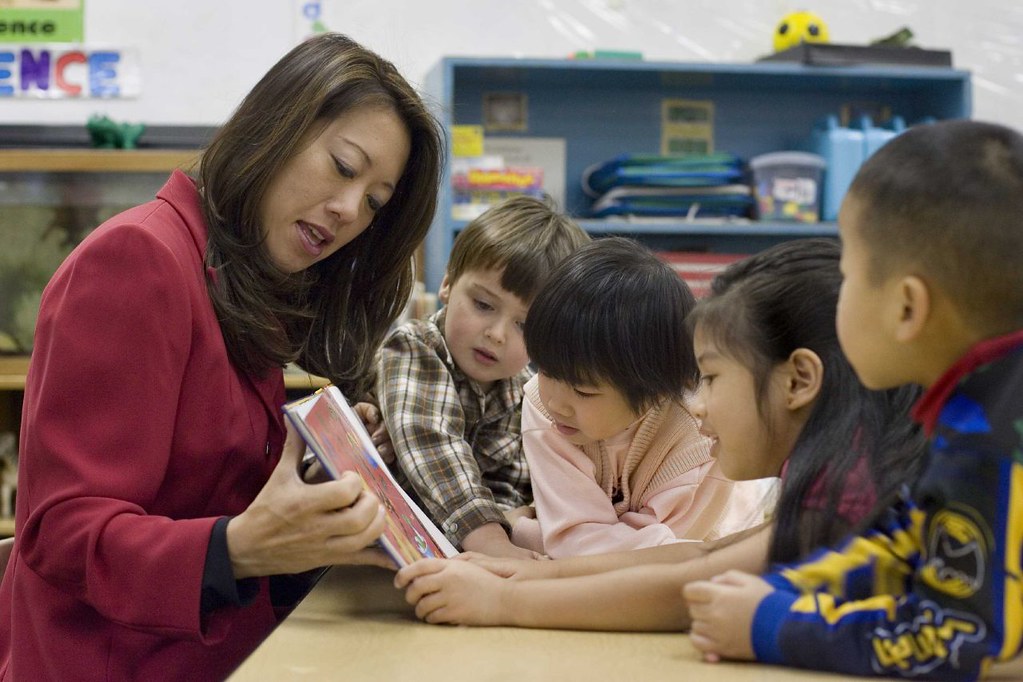
I saw how hard teachers work to give children opportunities. And I saw firsthand what it takes to run a small business—making payroll, paying bills, serving customers, and worrying about whether there will be enough left over at the end of the month.
Those experiences have stayed with me because millions of California families are making those hard economic decisions today.
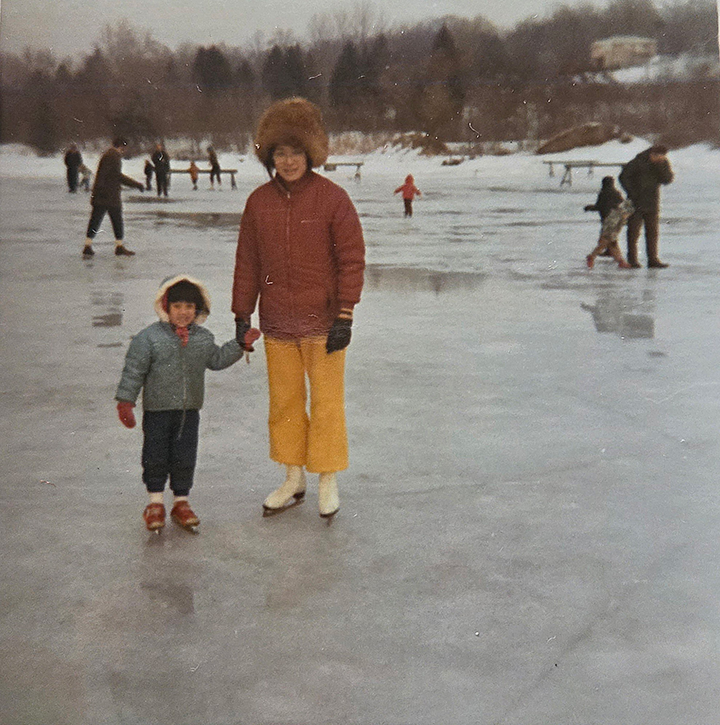
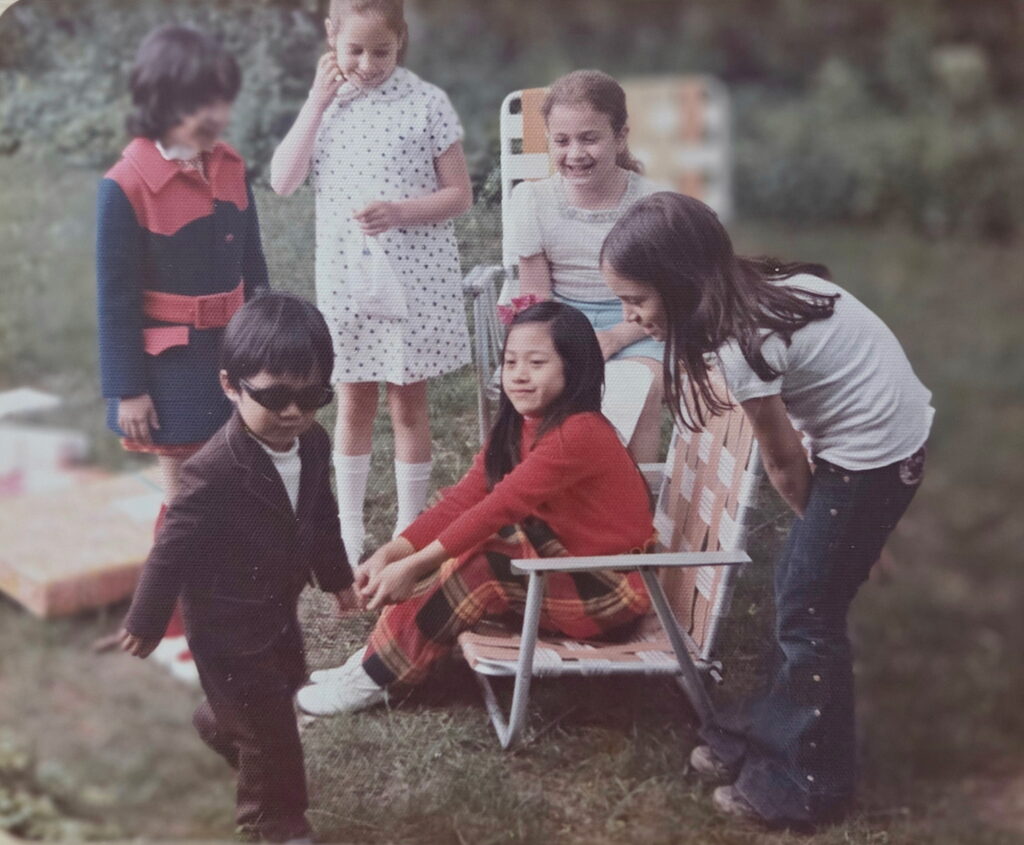
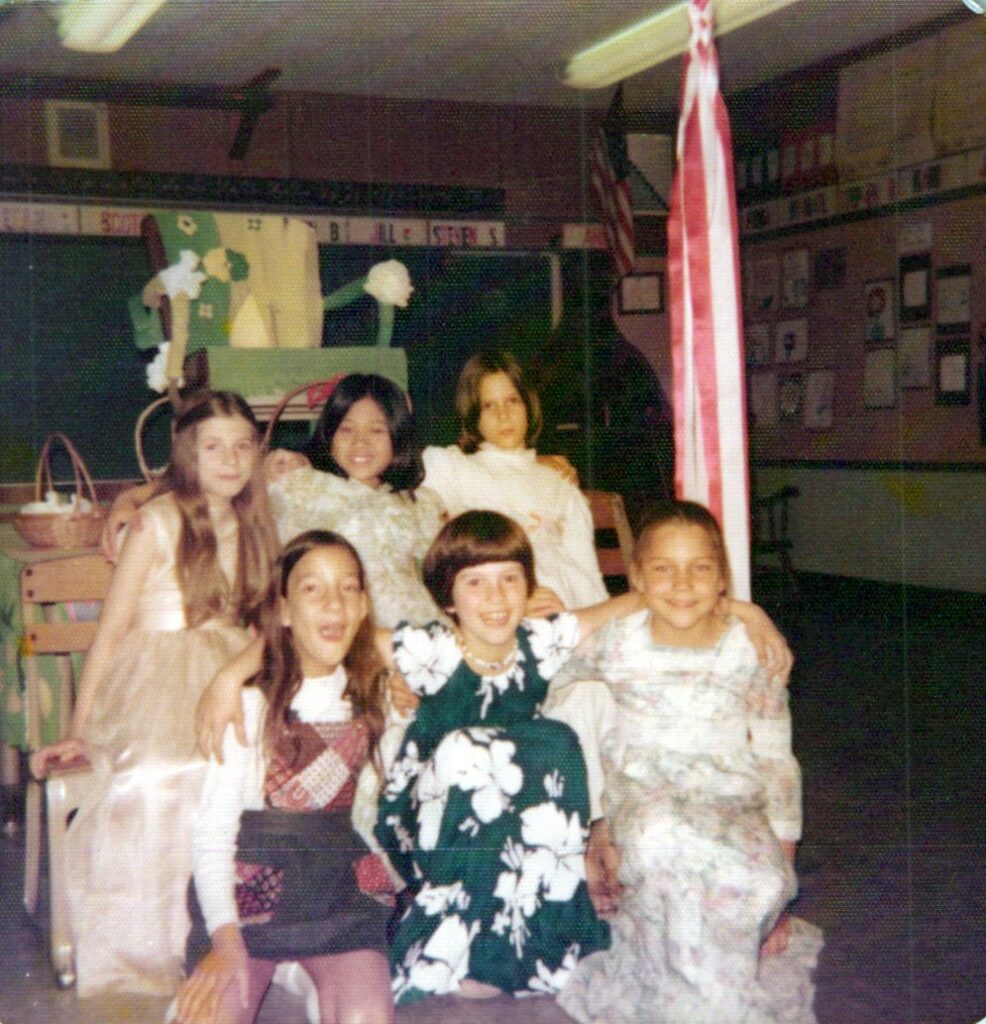
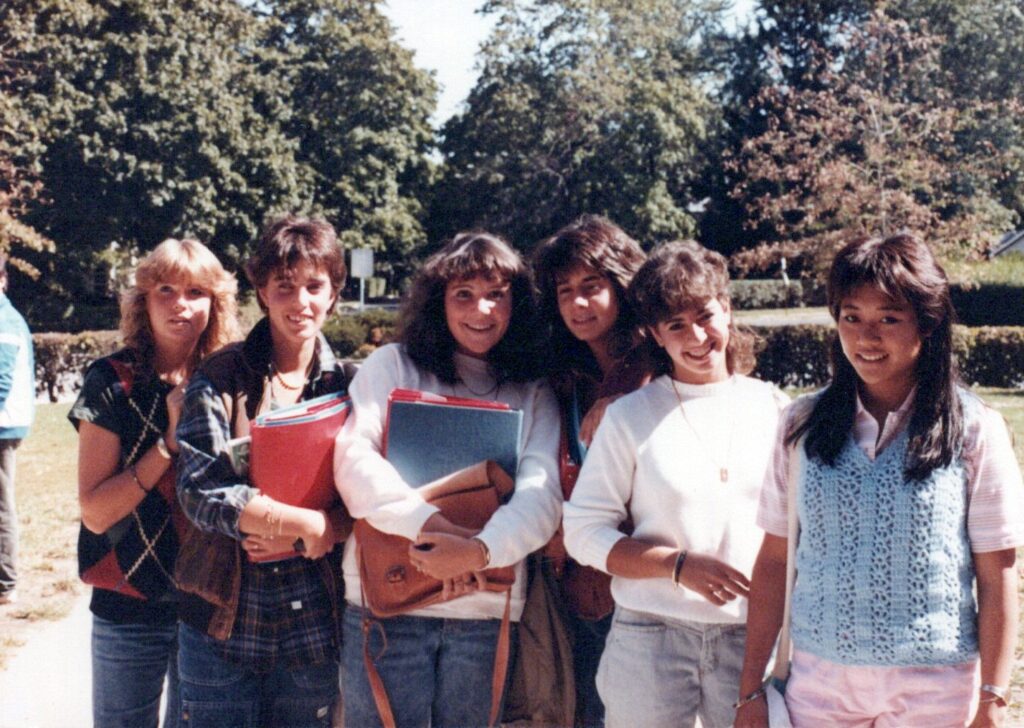
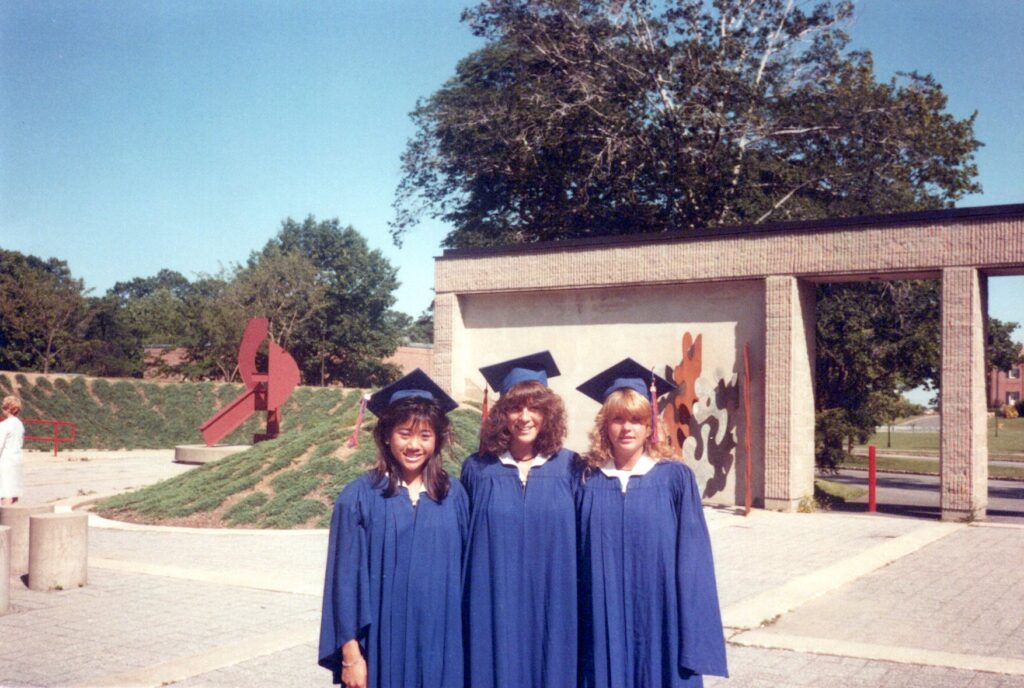
I grew up in Great Neck, Long Island, attending Baker Elementary School and Great Neck North Junior/Senior High School.
I played Little League, synchronized swimming, tennis, volleyball, basketball, and softball, and was a cheerleader. I even started a band called the Banana Splits, where I played drums and my dad was our roadie.
I especially loved team sports, where everyone had a role but stepped up when a teammate needed help.
That’s still how I believe government should work.
We may come from different communities, different backgrounds, and different parts of California, but we’re on the same team—and when one community is struggling, the rest of us shouldn’t look the other way.
I was also a Brownie and Girl Scout—and a top cookie seller.
Looking back, some of my earliest lessons in public service came from those years. Selling Girl Scout cookies meant knocking on doors, talking to neighbors, listening, and earning people’s trust one conversation at a time.
That still feels a lot like politics to me.
Because you can learn a lot more about what people need by listening at their doorstep, in their business, on their farm, or around their kitchen table than you ever will sitting behind a desk.
I started working early, too. At 10, I asked parents at the public pool if they needed a mother’s helper. At 16, I went door to door along Middle Neck Road looking for a summer job.
Ed and Sheila hired me at their small business, Yogurt Fantasy. I quickly became the manager, learning excellent customer service—and how difficult it can be to run a small business.
I learned that behind every storefront is someone taking a risk. Someone worrying about rent, payroll, customers, regulations, and whether all that hard work will pay off.
That’s why when small business owners tell me government makes it too complicated or too expensive to get things done, I understand their frustration. I’ve been on the other side of that counter.
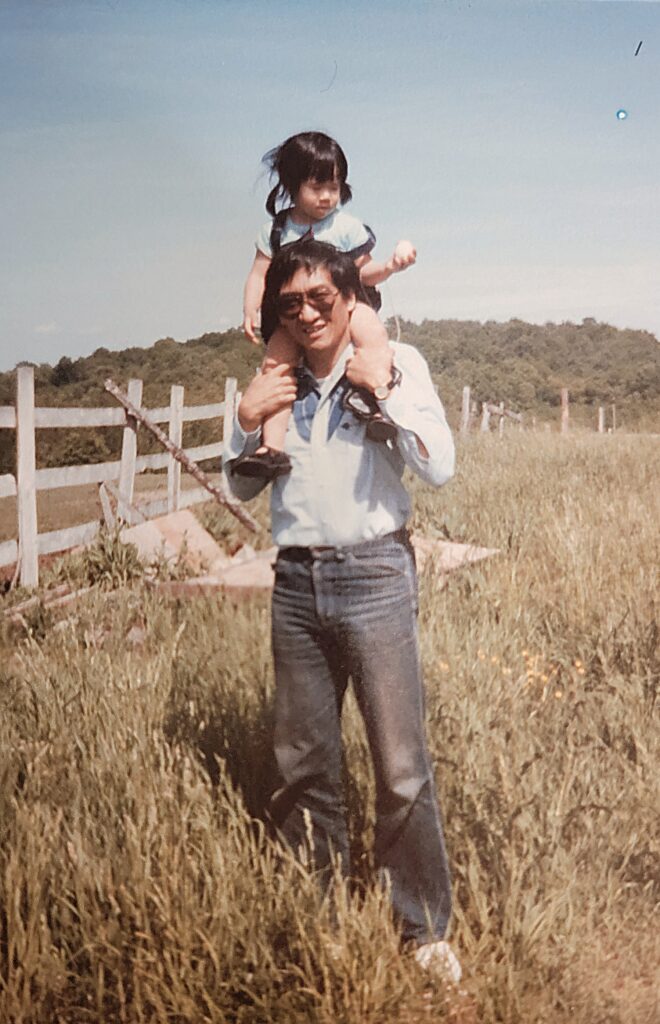
My father believed strongly in education, hard work, and financial responsibility. As soon as I could do math, he had me helping balance their checkbooks, pay bills, and prepare for taxes. By 16, he was teaching me about investing and letting me help manage his stock portfolio.
He wanted me to become an accountant. And because I was a daddy’s girl, that’s exactly what I did.
But those lessons were about more than accounting. They taught me that every dollar matters.
Families know that instinctively. When groceries, housing, insurance, gas, utilities, and healthcare cost more, something else has to give. Government should understand that too.
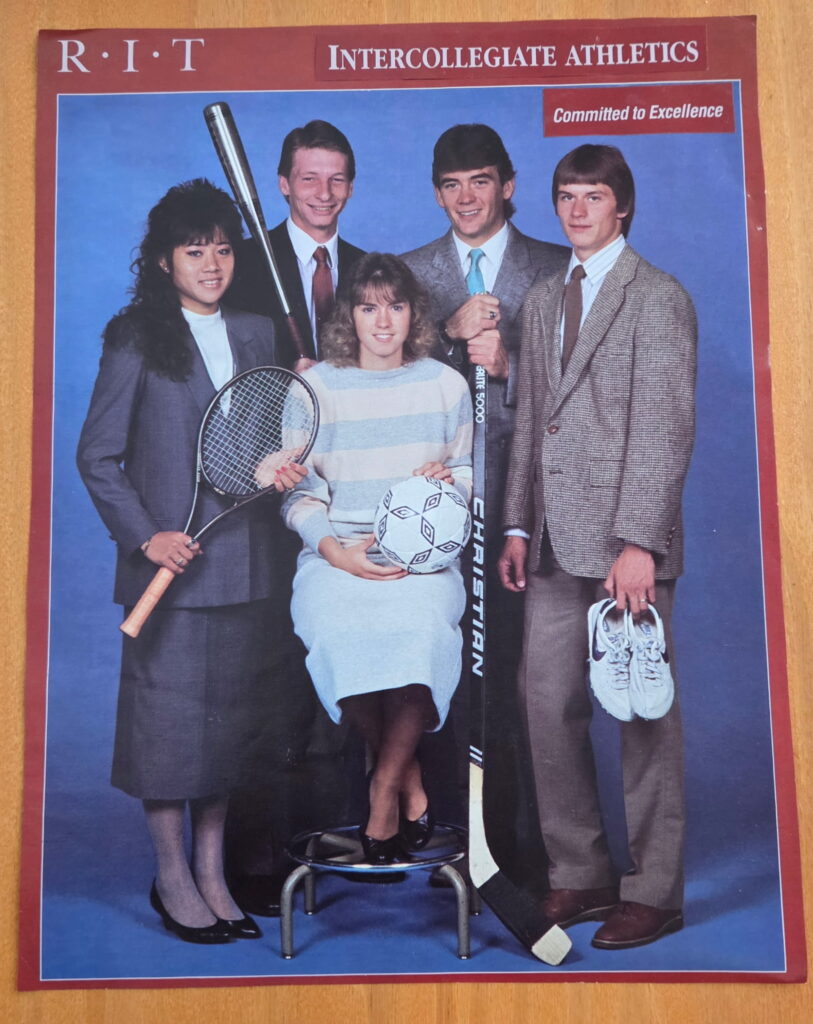
I attended Rochester Institute of Technology, where paid co-op programs allowed me to gain real-world experience while earning my degree.
That opportunity changed my life. It’s why I have spent so much of my career helping young people connect with internships, fellowships, first jobs, and mentors.
A young person shouldn’t need the right connections or come from a wealthy family to get that first opportunity. Sometimes one person opening one door can change the direction of a life.
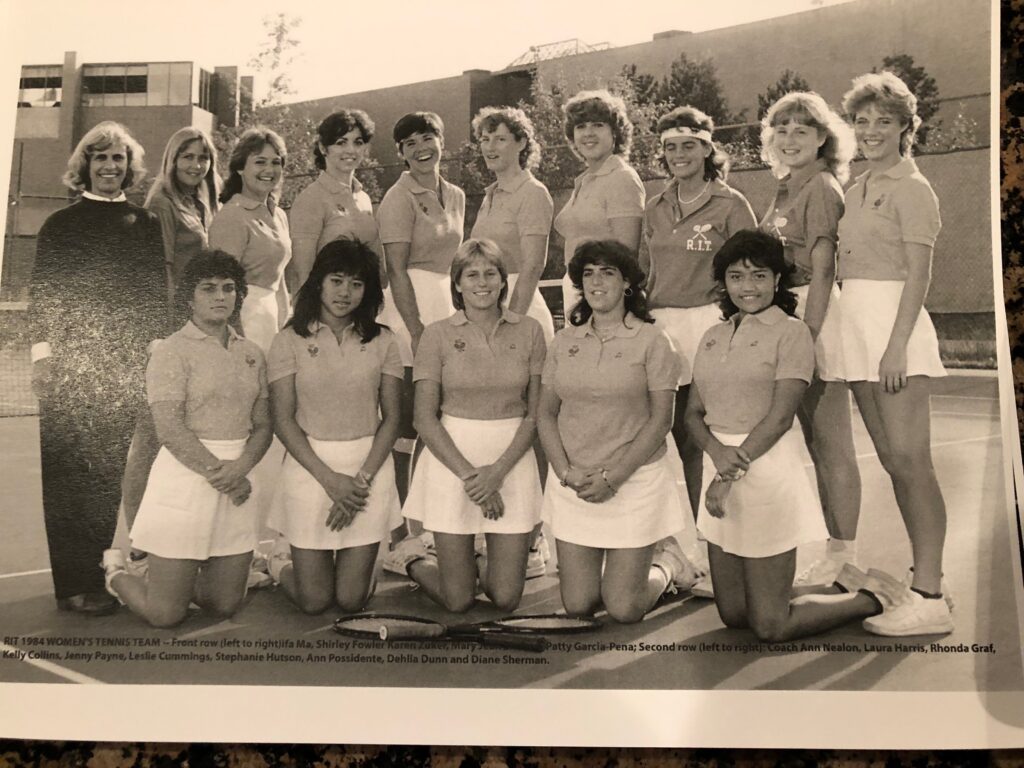
At RIT, I also played tennis, earned straight A’s, and worked at the Interpreter Training Office at the National Technical Institute for the Deaf.
After college, I moved to San Francisco and joined Ernst & Whinney’s real estate tax practice. But I quickly noticed how few women were in senior leadership.
So at 28, I left and started my own accounting practice.
I became president of a small business association, and in 1995 was selected as a delegate to President Bill Clinton’s White House Conference on Small Business.
I could have kept climbing the corporate ladder. But I’ve never put a high premium on money.
What fulfilled me was helping people.
That became clear when then-State Assemblyman John Burton gave me an opportunity to work part time as a field representative.
And what did he have the accountant doing?
Helping people with tax problems—and working with people struggling with unemployment, homelessness, foster care, and the challenges facing single mothers.
I met people who were doing everything they could and still couldn’t get ahead. Others simply didn’t know where to turn when government wasn’t working for them.
Those experiences taught me never to assume I know what someone is going through. Listen first. Understand the problem. Then figure out how to help.
My first experience in government wasn’t about politics.
It was about service.
When a seat opened on the San Francisco Board of Supervisors, I had to decide how I wanted to spend my life. Part-time public service was no longer enough.
So I ran. And I won.
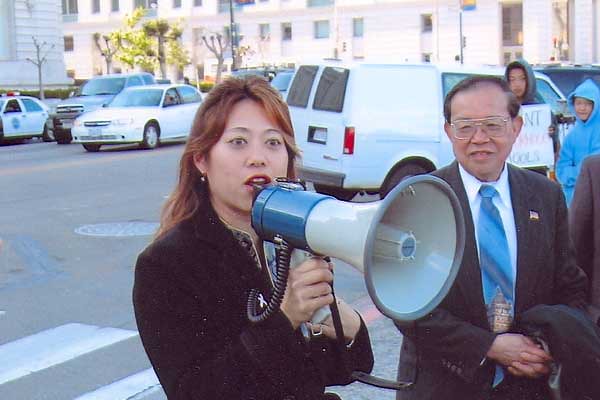
For four years, I worked on issues that affected people’s everyday lives: installing stop signs and speed bumps, filling potholes, helping police make neighborhoods safer, supporting small businesses, cleaning up Ocean Beach, and renovating libraries.
They weren’t always headline-grabbing issues.
But when it’s your street, your neighborhood, your business, your child’s library, or your family’s safety, it’s important.
I loved the work.
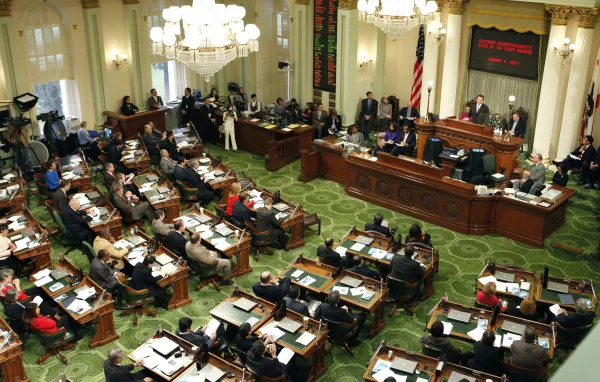
After four years, I ran for State Assembly, following in John Burton’s footsteps.
Sacramento taught me something important: politics doesn’t have to be a game of Survivor, with everyone trying to knock someone else off the island.
You can build lasting relationships. You can work across the aisle. You can find common ground. And you can get important things done.
Most Californians aren’t asking whether an idea came from a Democrat or a Republican. They want to know: Will it make my community safer? Will it lower my costs? Will it help my children? Will it make government work better?
That’s how I’ve always tried to approach the job.
I served under Democratic and Republican governors, including during the Great Recession. I passed first-in-the-nation laws that solved problems without requiring new spending, and served as Majority Whip and Speaker pro Tempore.
When I termed out, I was offered six-figure consulting contracts.
I said no.
Instead, I ran for California’s troubled Board of Equalization because I believed I could help fix it.
When I concluded the Board itself wasn’t working for taxpayers, I helped strip away much of its power while serving as Chair.
I had run for an office and then helped take power away from the office I had just won.
Because public service has never been about the power I hold.
It’s about what that power can do for you.
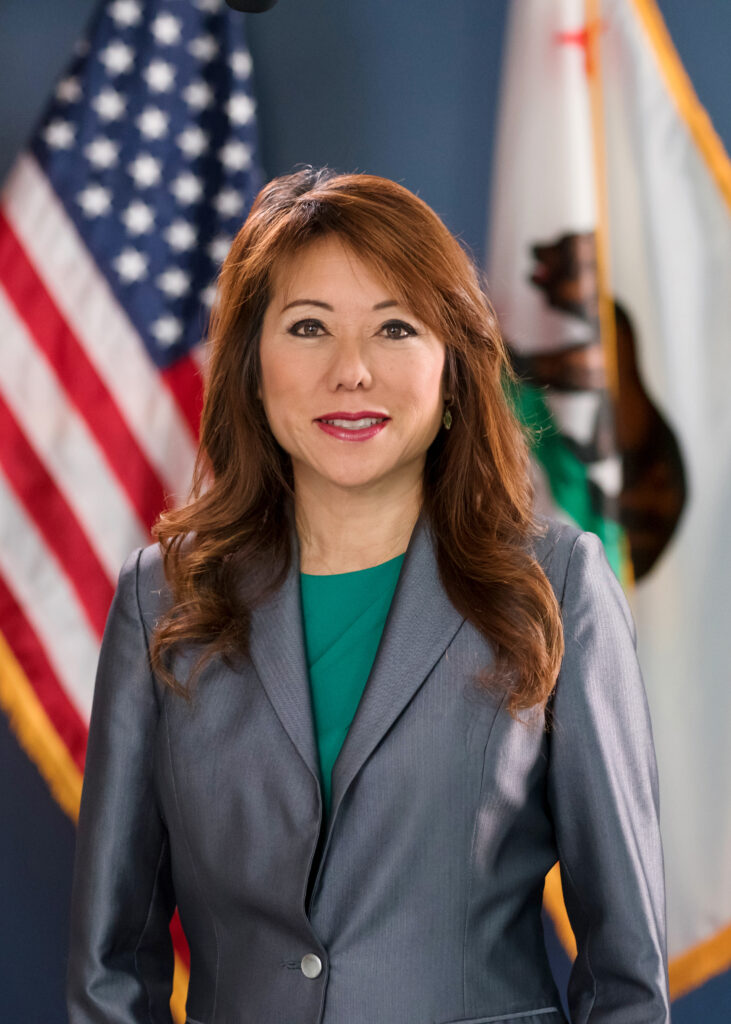
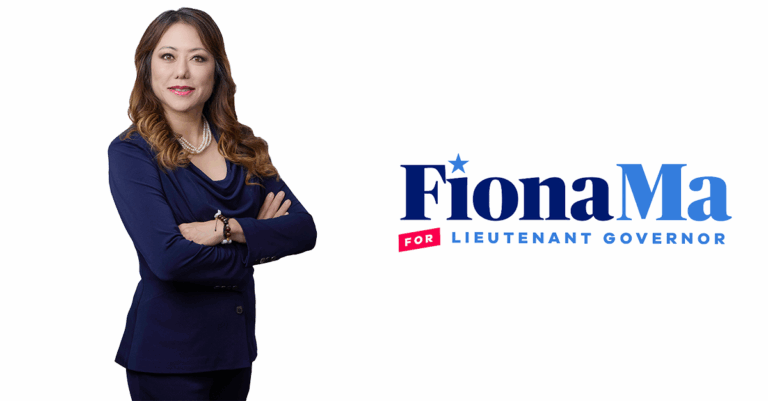
Today, as California State Treasurer, I get to bring all of those experiences together.
The girl who helped balance her father’s checkbook now helps oversee California’s finances.
The teenager whose father taught her how to invest now helps invest in California’s future and support an economy that has grown to become the fourth largest in the world.
The small business employee who learned how hard it was to keep the doors open hasn’t forgotten the entrepreneurs putting everything they have into their businesses.
And the Girl Scout who knocked on doors still believes the best way to serve people is to listen to them.
Because behind every policy and every number is a person. A parent trying to afford a home. A student wondering how they’ll pay for college. A small business owner trying to make payroll. A senior hoping to retire with dignity. A family wondering why everything seems to cost more.
Those are the people I think about when I make decisions.
My parents got married with $3,000 and built a life through education, hard work, and opportunity.
America gave our family an extraordinary chance.
I want California to remain a place where your hard work can still lead somewhere—where you can afford to raise a family, start a business, own a home, get a good education, and believe your children will have opportunities even greater than your own.
I’ve had many opportunities to choose a more lucrative path. But money has never been what gives my life meaning.
Helping people does.
That’s why I chose public service.
And it’s why I still do.